
Você já comeu uma fruta muito gostosa e desejou que todas as outras que comprou no mesmo pacote tivessem o mesmo sabor? Você pode comprar no supermercado, feira ou frutaria uma duzia de laranjas, mas cada uma que comer terá um gosto diferente, porque elas são compradas de vários fornecedores, de várias árvores diferentes.
Agora, se você guardar a semente da mais gostosa e plantar, certamente após poucos anos, estará comendo as frutas com o mesmo sabor que você gostou e queria sentir novamente.
Daí você pode dizer que é difícil, que você não sabe fazer isso, que não vai dar certo… tudo porque as pessoas quebraram a ligação que tinham com a terra, com o planeta. Mas está na hora de dar um passo atrás e se livrar da total dependência que temos com o mercado para nos alimentar.
Cada um de nós que tem uma janela ou sacada, ou um quintal de um metro quadrado pode plantar comida. Não precisa ser um campo de mandioca, mas pode ser alface, cebolinha, salsinha, morango… ou se tiver um pouco mais de espaço, fazer um mini pomar e assim sempre se lembrar da ligação entre plantar, colher e comer. Afinal, quem já não precisou de uma salsinha no domingo à noite e não tinha um local aberto para comprar?
Clique na imagem acima para ampliar e veja nossas 3 sementeiras, na janela da área de serviço. Caso você tenha TOC – transtorno obsessivo compulsivo, como nossa amiga Priscila – não clique, pois terá um treco, porque não existe organização, é apenas uma sementeira.
Lá tem 10 abacates e avocados, os menores são avocados, aqueles de fazer guacamole, os maiores são abacates pescoçudos e abacates de casca preta e ainda abacates manteiga, aqueles que compramos e amamos o gosto e portanto, queríamos saborear novamente no futuro. Temos mais alguns caroços de abacates e avocados, que serão plantados assim que chover e os que estão na floreira forem replantados dentro do nosso projeto Bosque Sensorial.
Os cítricos de vários tamanhos são de limão rosa, também chamado de limão cravo, mexerica fedidinha, aquela pequena, que todo mundo sabe que você comeu, porque o cheiro da casca é muito forte, temos também tangerinas e todas elas irão para vasos feitos de reaproveitamento de PET de coca cola.
Os cítricos depois de plantados, irão para a casa do Ayrton, que é o membro da FUNVERDE com dedo verde para crescer até o início da primavera, quando serão distribuídos nas palestras que faremos até o final do ano.
você pode ver também que temos nas floreiras algumas cebolinhas que compramos na feira com raízes, daí aproveitamos as folhas e plantamos o talo, assim temos pelo menos algumas colheitas a mais para aqueles finais de semana em que você sempre lembra de fazer alguma receita que leva cebolinha e não tem mercado aberto.
À Direita ainda dá para ver só um pedaço do vaso de salsa crespa e uma orquídea que está florescendo.
Aproveite a nossa ideia em sua casa, é fácil, é desestressante e ocupa seu tempo livre. Como recompensa, você terá uma alimentação mais saudável.
Abaixo, algumas imagens ilustrativas do futuro destas mudas que plantamos.
Mexerica fedidinha.

Abacate pescoçudo. Foto de Marcos De Faveri

Avocado. Foto de ollesvensson
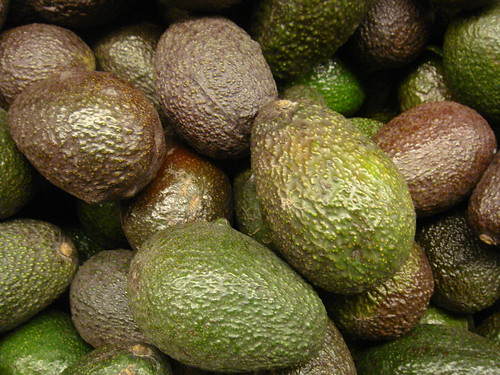
Abacate manteiga. Foto de moitas61

Limão rosa ou limão cravo. Foto de Ma_sayuri

Casinozoid Examines the History of Digital Wallet Payment Methods
The evolution of digital wallet payment methods represents one of the most significant technological shifts in modern financial history. From rudimentary electronic payment systems to sophisticated mobile applications, digital wallets have transformed how consumers conduct transactions across various industries. Understanding this progression provides valuable insight into current payment trends and future developments in financial technology. The journey from physical currency to digital transactions reflects broader changes in consumer behavior, security protocols, and technological capabilities that continue to shape the global economy.
The Early Days of Electronic Payment Systems
The foundation for digital wallets was laid in the 1990s when electronic commerce began gaining traction. The concept of storing payment information digitally emerged alongside the internet’s commercialization, though early implementations faced significant technical and security challenges. Companies like DigiCash, founded by cryptographer David Chaum in 1989, pioneered electronic cash systems that attempted to replicate the anonymity of physical currency while enabling online transactions. Despite its innovative approach, DigiCash filed for bankruptcy in 1998, highlighting the difficulties of establishing digital payment infrastructure before widespread internet adoption.
The late 1990s witnessed PayPal’s emergence as a groundbreaking force in digital payments. Launched in 1998 as Confinity, the service initially focused on Palm Pilot payments before pivoting to email-based money transfers. This strategic shift proved transformative, as PayPal became the preferred payment method for eBay transactions, processing millions of dollars in online payments. The company’s success demonstrated that consumers would embrace digital payment solutions when they offered convenience, security, and seamless integration with existing platforms. By 2002, PayPal had processed over one billion dollars in transactions and established the template for future digital wallet services.
Mobile Revolution and Smartphone Integration
The introduction of smartphones fundamentally altered the digital wallet landscape. Apple’s launch of the iPhone in 2007 created new possibilities for mobile payments, though widespread adoption required additional technological development. Near Field Communication (NFC) technology became crucial for contactless payments, enabling devices to communicate with payment terminals through radio frequency. Google Wallet, introduced in 2011, was among the first major attempts to integrate NFC payments into smartphones, though merchant acceptance remained limited during these early years.
Apple Pay’s debut in 2014 marked a watershed moment for mobile wallet adoption. By leveraging Apple’s extensive user base and implementing robust security features like tokenization and biometric authentication, the service gained rapid acceptance among consumers and merchants. The platform’s success inspired competitors and accelerated infrastructure development for contactless payments globally. Today, platforms like those reviewed on specialized sites including https://casinozoid.com/apple-pay-casinos/ demonstrate how digital wallet integration has expanded into diverse sectors, reflecting the technology’s versatility and widespread acceptance. Samsung Pay followed in 2015, introducing Magnetic Secure Transmission technology that enabled compatibility with traditional magnetic stripe readers, addressing one of the primary barriers to mobile payment adoption.
The proliferation of mobile wallets extended beyond traditional payment giants. Regional players emerged to serve specific markets, with services like Alipay and WeChat Pay dominating the Chinese market, while platforms like Paytm gained prominence in India. These services often incorporated additional functionality beyond payments, including loyalty programs, peer-to-peer transfers, and integration with transportation systems. This expansion transformed digital wallets from simple payment tools into comprehensive financial management platforms, fundamentally changing how users interact with their money.
Security Innovations and Consumer Trust
Security concerns have consistently shaped digital wallet development. Early electronic payment systems struggled with fraud prevention and data protection, limiting consumer confidence. The implementation of encryption standards, secure socket layer (SSL) protocols, and two-factor authentication gradually addressed these vulnerabilities. However, high-profile data breaches in the 2000s demonstrated that security required constant evolution to counter increasingly sophisticated threats.
Tokenization emerged as a critical security advancement in digital wallet technology. Rather than transmitting actual card numbers during transactions, tokenization substitutes unique identification symbols that retain essential information without compromising security. This approach significantly reduces fraud risk, as intercepted tokens cannot be used for unauthorized transactions. Biometric authentication, including fingerprint scanning and facial recognition, added another security layer while simultaneously improving user convenience by eliminating password requirements.
Regulatory frameworks evolved alongside technological developments to protect consumers and establish industry standards. The Payment Card Industry Data Security Standard (PCI DSS), established in 2004, created comprehensive requirements for organizations handling cardholder information. The European Union’s Revised Payment Services Directive (PSD2), implemented in 2018, mandated strong customer authentication and opened banking data to third-party providers, fostering innovation while enhancing security. These regulatory initiatives helped build consumer trust and encouraged wider digital wallet adoption across demographic groups previously hesitant about electronic payments.
Contemporary Developments and Future Trajectories
Recent years have witnessed digital wallets incorporating cryptocurrency capabilities, blurring traditional boundaries between fiat and digital currencies. Major platforms now support Bitcoin and other cryptocurrencies, reflecting growing mainstream acceptance of blockchain-based assets. This integration represents a significant evolution from early digital wallets that exclusively handled traditional currency transactions. Companies like PayPal and Square have invested heavily in cryptocurrency infrastructure, signaling that digital wallets will likely serve as gateways between conventional and decentralized financial systems.
Artificial intelligence and machine learning increasingly influence digital wallet functionality. These technologies enable personalized spending insights, fraud detection, and predictive analytics that enhance user experience. Advanced algorithms analyze transaction patterns to identify suspicious activity in real-time, providing security that adapts to emerging threats. Additionally, AI-powered features offer budgeting assistance and financial recommendations, transforming wallets into proactive financial advisors rather than passive payment tools.
The COVID-19 pandemic accelerated digital wallet adoption as contactless payments became preferred for health safety reasons. Merchants who previously resisted implementing digital payment infrastructure rapidly upgraded systems to accommodate customer preferences. This shift appears permanent, with transaction data indicating sustained increases in digital wallet usage even as pandemic restrictions eased. The crisis demonstrated digital payments’ resilience and convenience, likely cementing their role as primary transaction methods for future generations.
The trajectory of digital wallet development reflects broader technological and social transformations that have reshaped financial services over three decades. From experimental electronic cash systems to ubiquitous mobile payment platforms, digital wallets have progressed through continuous innovation driven by technological advancement, security improvements, and changing consumer expectations. As these systems integrate emerging technologies like cryptocurrency and artificial intelligence, they continue evolving beyond simple payment tools into comprehensive financial ecosystems. Understanding this history provides essential context for anticipating future developments and recognizing the profound impact digital wallets have had on global commerce and financial inclusion.





Comments (0)